
Categories
Enterprise

Dynamic QR Codes: Secure, Sustainable, and Cost-Effective Access Control Solution

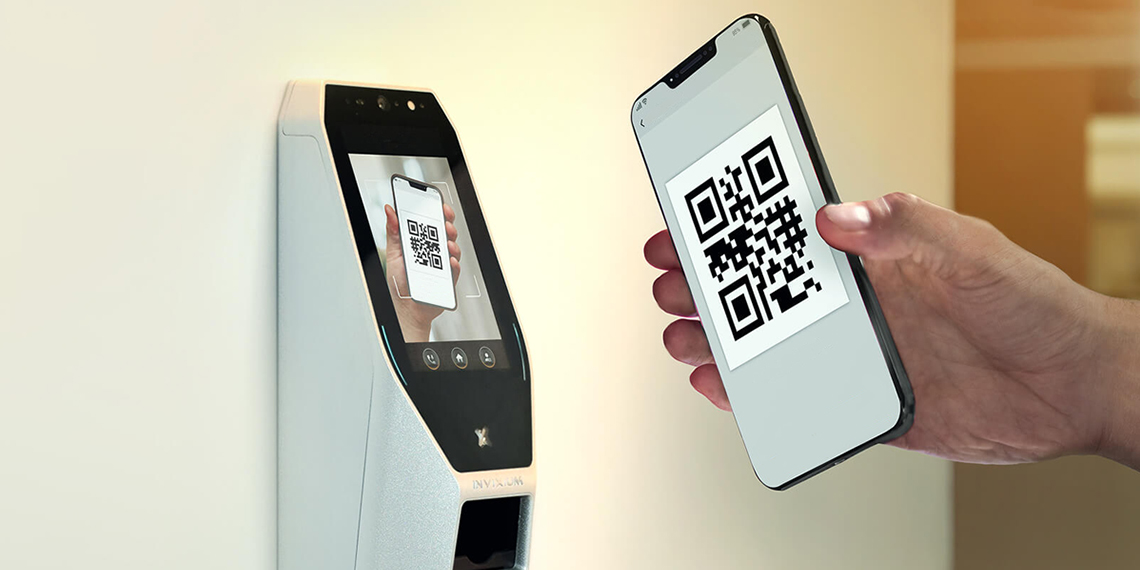
QR codes are becoming increasingly popular for access control due to their versatility, cost-effectiveness, and ease of use. They provide a contactless, digital solution that aligns with the growing demand for seamless, secure entry systems. QR codes can be generated and shared electronically, eliminating the need for physical cards or keys. This feature is particularly useful in environments where temporary or dynamic access is required, such as in co-working spaces, event venues, and construction sites. But are QR codes robust enough for businesses to adopt for the long term, and can they integrate with broader security ecosystems?

Imagine this scenario: A contractor arrives at your facility and is immediately asked to fill out a long, manual entry form. After the tedious process, they’re handed a plastic access card only to find that the edges are broken. When they attempt to enter, the system fails to recognize the card because it’s damaged. This creates a hassle for the contractor and ultimately harms your organization’s reputation.

Now, consider this: An employee shares their static QR code with a colleague, allowing unauthorized access to a restricted area within the building. This security lapse goes unnoticed until a critical incident occurs, exposing the organization to potential risks and liabilities.

At Invixium, we are known for delivering rugged biometric solutions that provide unmatched security in the most challenging environments, such as industrial sites and critical infrastructure. However, we understand that access control is not a one-size-fits-all solution. While not every door may require biometrics, every business needs a modern, efficient, and flexible access solution for uncompromising security. That’s why in 2021, we introduced Dynamic QR codes through IXM MOBILE.

Unlike static QR codes or plastic cards, Dynamic QR codes are periodically updated for an added layer of security. Visitors receive their access code instantly, bypassing the need for manual forms and damaged cards. This ensures a smooth and more efficient entry process. Employers also benefit as dynamic QR codes can’t be shared or copied, ensuring that only the authorized employee has access at any given time.

Let’s explore the features of Dynamic QR Codes and discover why they stand out as both a secure and cost-effective solution for modern worksites.

Beyond Barcodes

Traditional access control systems such as barcodes or static QR codes come with their own sets of limitations. Barcodes are static in nature, cannot be altered, and store fixed information. They are easy to duplicate or replicate which can lead to security breaches. While static QR codes are more versatile, they still lack the ability to adapt to changing access requirements. In contrast, dynamic QR codes can be modified in real-time making them resistant to duplication or misuse. They grant secure entry or time-sensitive permissions while offering a smooth user experience.
qrify-dynamic-qr-code-technology-on-invixium

Integration with IDCUBE

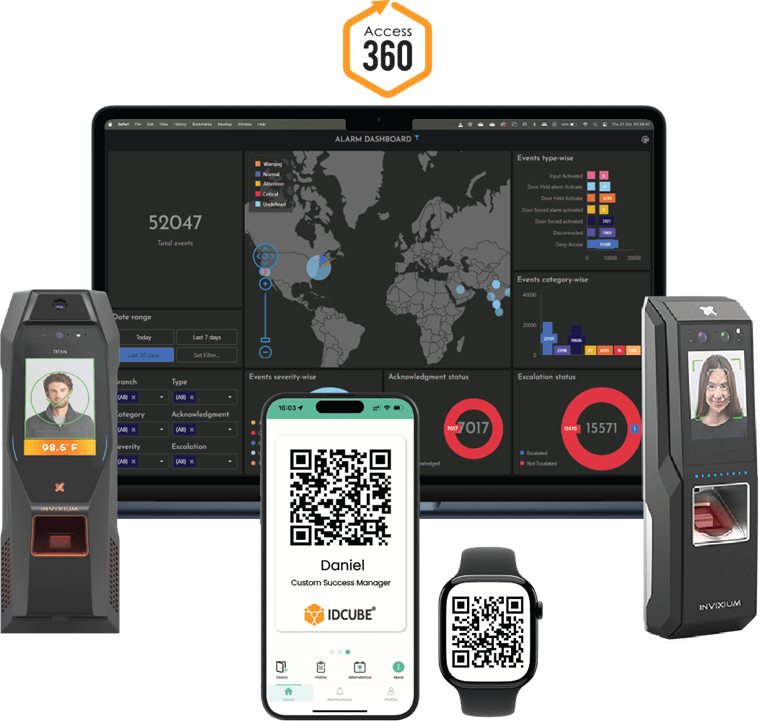
Our focus is to ensure that customers receive solutions tailored to their specific security and productivity needs while minimizing unnecessary costs and complexities. To achieve this, we prioritize building a comprehensive ecosystem by collaborating with trusted partners like IDCUBE. Through our integration with IDCUBE, we bring their QRify dynamic QR code technology to our advanced face recognition readers. This allows customers to access cutting-edge multi-factor authentication through IXM TITAN and IXM TFACE, providing greater flexibility and convenience. This partnership enables both Invixium and IDCUBE to provide an intuitive, streamlined access control system that is both scalable and adaptable to the unique needs of each customer.

Explore the full range of benefits and features QRify offers by downloading the brochure below. For more information about our cutting-edge solutions, contact our team today at sales@invixium.com.

Categories
Company

Securing Airport Operations with Biometric Access Control and Workforce Management Solutions

Airports are some of the busiest and most challenging environments, where security and efficiency are tested every minute. A hive of activity 24/7 hours a day all year round, they’re filled with passengers, airport staff, TSA officials, vendors, airline employees, ground transportation teams, third-party contractors, and support personnel, making it difficult to recognize who’s who amid the constant hustle. The real challenge at any airport is that most people don’t work for the airport; the majority are contractors that deliver services that operate within. To effectively navigate this intricate setup, airports need to strengthen security while adhering to evolving local, state/provincial, and federal mandates. Advanced biometric solutions cut through this chaos by leveraging unique biological identifiers that prove you are exactly who you claim to be. With biometric access control and workforce management solutions, airports can streamline access, enhance productivity, and maintain compliance. In this blog, we’ll explore how biometric solutions support airports in tackling these demands, driving productivity, and upholding safety with precision and ease.

Tracking and Monitoring Access Activity

Airports have several restricted zones where only authorized personnel are allowed access to maintain safety and security standards. Areas like the tarmac, to avoid hindering take-off or landing procedures; the hangars, to prevent any aircraft tampering; the data centers where sensitive information is stored; and traffic control towers which regulate aircraft flows, and baggage areas require rigorous security protocols. Advanced biometric access control systems allow airports to create partitions between these spaces and determine who should and should not have access to certain critical areas. Biometrics introduces a high level of security to such restricted areas with multi-factor authentication, minimizing risks associated with traditional methods like cards and fobs which can be easily replicated or misplaced.

With biometric solutions, it is also possible to customize access privileges to different areas based on an individual’s role and level of clearance. For example, airport employees may need access to certain areas of the airport, such as baggage handling areas, while others may only be authorized to enter passenger terminals. By limiting access to specific areas, airports can bolster security measures and mitigate potential risks and threats by preventing unauthorized individuals from accessing restricted areas.

An Efficient and Compliant Airport

A streamlined and digitalized time tracking and shift management system is essential for managing the large and diverse workforce of an airport. Biometric workforce management solutions can help limit buddy-punching, boast comparably high throughputs versus card readers, and prevent intentional and unintentional time theft, providing a significant return on investment through better resource allocation. By accurately tracking peak hours, when the highest number of staff is needed on the ground, versus off-hours with minimal activity, these solutions empower airports to create an optimized operational framework. This leads to substantial cost savings and allows for more effective staff deployment based on real-time demand.

Compliance is another critical factor in today’s regulatory landscape, and biometric solutions make it easier to meet these requirements. Workforce digitalization coupled with automated workflows, efficient audit trails, and real-time reporting, reduces the reliance on manual processes, minimizing human error and enhancing accuracy. This ensures compliance with regulatory standards, protecting airports from significant penalties and preserving operational integrity.

Cohesive Security Strategy

A cohesive security strategy where multiple layers of protection must work in tandem is crucial for airports. Biometric solutions can integrate with existing security infrastructure, such as video surveillance, intrusion detection, and alarm systems to create a synchronized infrastructure that detects, verifies, and responds to threats in real-time. With the introduction of new terminals or restricted zones, biometric systems can adapt seamlessly, accommodating more staff and additional access points with minimal reconfiguration. With centralized monitoring and robust data analytics, security teams have visibility over access activity, peak times, and potential vulnerabilities. With the ability to integrate across systems, biometric solutions create a holistic security strategy that reduces operational downtime and maximizes productivity.

Why Use Invixium’s Biometric Solutions?

Airports are constantly subjected to significant electromagnetic noise from heavy machinery and frequent temperature fluctuations. These rugged conditions challenge typical security solutions, but IXM TITAN is engineered specifically to thrive under these challenging settings. With high-speed face recognition, a durable design, and versatile connectivity options including wired, Wi-Fi, and cellular, TITAN ensures uninterrupted operations and 100% uptime, making it an ideal fit for the airport industry. With IXM Time, a licensed time and attendance tracking module of IXM WEB, airports can significantly increase payroll and time-tracking efficiency. This software includes attendance reports, leave and shift management, an employee portal, and audit trails that can integrate with your current HRMS to enhance peak performance.

For more information about our cutting-edge solutions, contact our team today at sales@invixium.com.
Categories
Company

Unveiling IXM WEB 3.0: Our Most Comprehensive Release to Date

Unveiling IXM WEB 3.0: Our Most Comprehensive Release to Date

The latest release of IXM WEB is available now for all customers with an active Annual Support Contract.

Invixium stands out as a one-stop-shop solution provider of modern and rugged biometric access control, workforce, and visitor management solutions, complemented by our cutting-edge, web-based, and cloud-ready biometric software platform, IXM WEB.

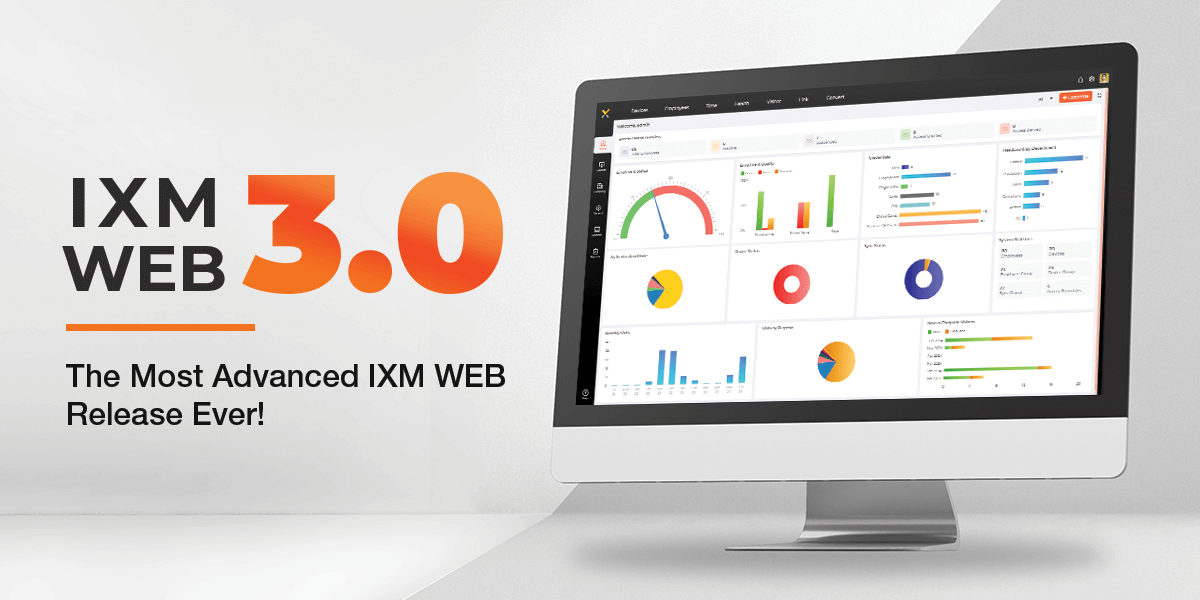
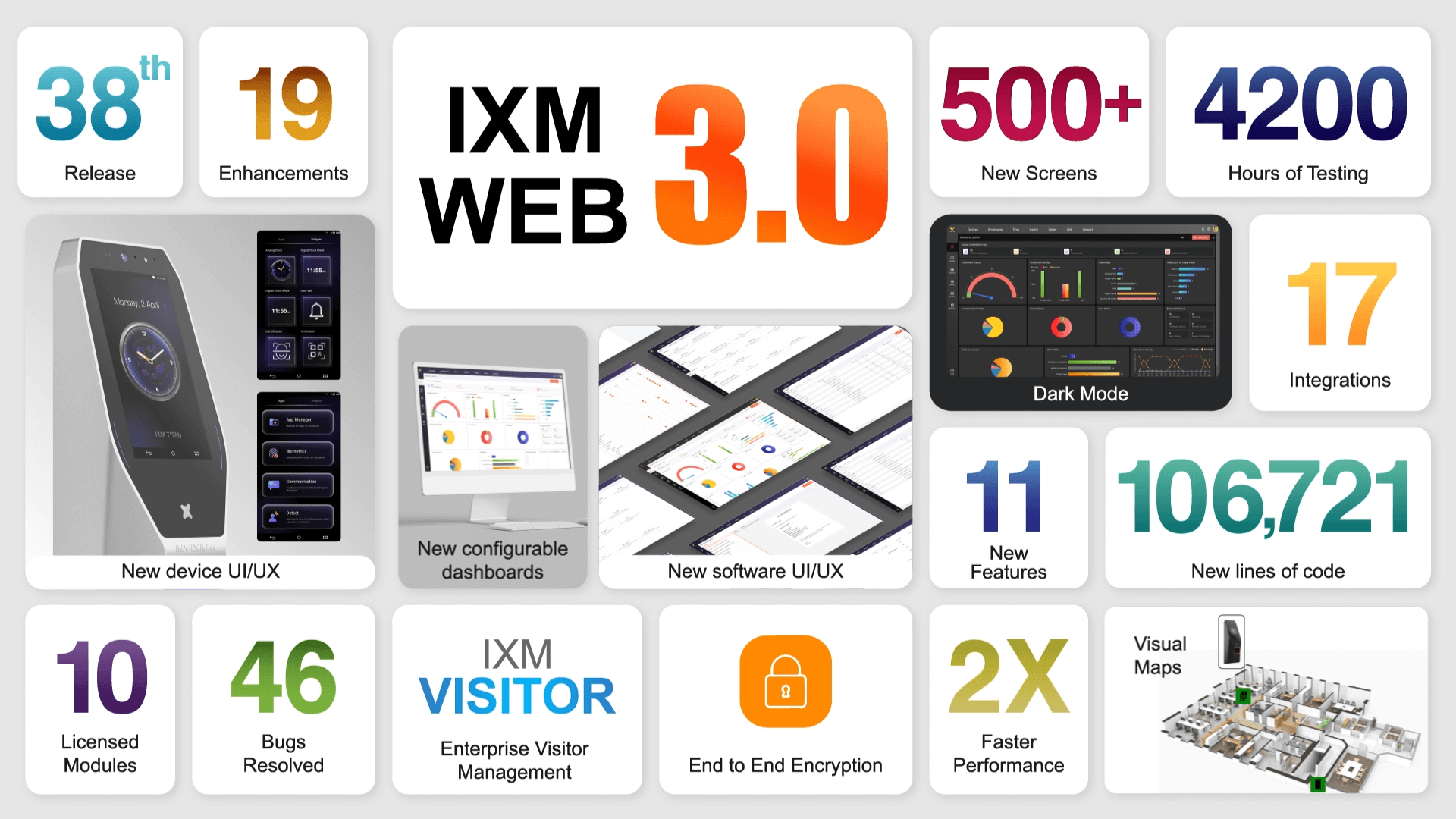
We continually ensure that our software solutions are modern, intuitive, visually appealing, and provide the best performance for our customers. Our latest release, IXM WEB 3.0, is 2X faster than its predecessor and is designed to improve functionality, enhance security, and elevate the user experience for physical security professionals globally.

ixm-web-3-multi-ui-ux-dashboards-and-500-new-screens

Let’s dive right into what’s new in this latest release:

All-new Advanced IXM VISITOR

IXM VISITOR, a licensed feature of IXM WEB designed to foster a safe and efficient workplace while ensuring compliance, has been revamped and enhanced. With this enterprise-grade visitor management solution, admins can efficiently simplify visitor flows and manage access permissions for heightened security and control. It streamlines the visitor registration process, accommodates various credentials, schedules group visits, and does so much more!

Visual Maps for Real-Time Tracking and Monitoring

With Visual Maps, admins can upload multiple maps, 2D/3D images, floor plans, or organizational layouts of different locations they oversee, directly into the system, seamlessly integrating it with access control or time and attendance tracking devices. By assigning devices to specific locations on the floor plan, this feature tracks and monitors events such as access denied, device online status, and door force openings, giving admins immediate insights into events across multiple zones or locations.

Over 30 Configurable Dashboards with a Revamped UI/UX

With IXM WEB’s revolutionary UI/UX, admins can manage complex data and generate multiple reports for various departments while maintaining an accurate audit trail. IXM WEB 3.0 is equipped with powerful analytics, dynamic and configurable dashboards, streamlined workflows, theme customizations, and actionable insights, all within a sleek, user-friendly interface designed to boost productivity and engagement.

Web Check-In for Accurate Time Tracking of Remote Employees

Web Check-In within the employee portal offers unparalleled convenience for remote employees. By enabling them to check in and out seamlessly from their laptops or desktops, this functionality streamlines the process of marking attendance.

Portal Module Access Rights for Role-based Access

This feature empowers admins to assign module-specific permissions within the portal interface, determining which pages employees can access and the actions they can perform. This granular control allows admins to customize access levels as per employees’ roles, offering flexibility and versatility.

Advanced Report Scheduler for Streamlining Processes

Advance Report Scheduler is a powerful tool that enables admins to schedule multiple reports using various filters, such as locations or specific time intervals (weekly or monthly). With this feature, admins can set precise times for automated report generation, ensuring accurate data is always at their fingertips.

Robust Security Measures with Highest Levels of Encryption

We are proud to share that IXM WEB 3.0 incorporates the latest security protocols certified by third-party Vulnerability Assessment and Penetration Testing (VAPT) to identify and address potential security vulnerabilities. Also added to this release is Threat Levels, an access control feature allowing security requirements to dynamically increase (i.e. from single-factor authentication to multi-factor authentication) in the event of a threat. These threat levels can be scheduled or triggered by an alarm via external input.

This release now includes a stringent new password policy to enforce stronger user credentials, along with integration with Azure Single Sign-On (SSO) to streamline user authentication while maintaining security standards. End-to-end encryption protects from data breaches or cybersecurity threats at all stages of the system. AES-256 encryption ensures that data stored on devices is highly secure and more resistant to brute-force attacks. For data in transit, TLS 1.3 is employed to provide an additional layer of security and advanced performance. Sensitive information is further safeguarded with SHA-512 hashing.

For information about IXM WEB 3.0 and our cutting-edge biometric solutions, contact our team today.
sales@invixium.com

Categories
Company

A Comprehensive Guide to Mastering Biometrics:   Part 2

How to Sell Biometrics

In Part 1, we delved into the fundamentals of biometrics and explored its applications. Now, let’s shift our focus to how system integrators can effectively market and sell biometric solutions.

The first and foremost is to engage customers by asking targeted questions and addressing their specific security concerns. Understanding their pain points is key to tailoring a solution that meets their needs. By analyzing their challenges and presenting case studies or examples where biometrics successfully resolved similar issues, you can pique their interest and enhance the likelihood of adoption. Highlight the return on investment (ROI) and long-term cost savings associated with biometrics.

Demonstrating how biometric solutions can streamline operations, enhance security, and reduce overhead costs over time will resonate with customers seeking practical and efficient security solutions.

The crux of effective selling lies in adopting a solution-based approach. It’s not merely about showcasing a product’s features or data sheets, but rather about demonstrating how a comprehensive solution addresses real-world challenges faced by customers. Let’s illustrate this with scenarios to highlight some common use cases:

Scenario 1: Consider unclean industries where extreme environmental conditions are the norm rather than the exception. Oil and gas refineries, mining, petrochemical, and seaports are often exposed to harsh elements like heat, dust, and corrosive substances. In these rugged environments, traditional biometric access control and time-tracking methods are inadequate and prone to failure due to the extreme environmental conditions but also the fact that the employee population (who works with their hands, wear PPE equipment, etc.) face a few more unique challenges than personnel that work in offices. Most biometric systems available in the market are tailored for office or residential environments, which do not face the harsh conditions commonly found in industrial settings. This is where advanced, rugged, and customizable biometric access control and workforce management solutions come into play. Unlike off-the-shelf solutions, rugged security offerings from high-end manufacturers who focus on these unclean, industrial environments address the challenges faced by the customers and just plain work!

Scenario 2: In any organization, whether an enterprise with a few thousand employees or a large industry with a substantial blue-collar workforce, time theft and inaccurate payroll can significantly impact productivity and financial health. On average, 10% of employees lose 10 minutes per day due to these issues. For a company with a staff of 1,000, this translates to a daily loss of up to 17 hours of productivity, amounting to an estimated US$360,000 annually. Over time, these losses compound, affecting any organization’s bottom line. Invixium’s advanced biometric workforce management solutions offer a robust answer to this challenge. By implementing a more accurate, secure time tracking system, this loss can be recuperated without any additional effort from the staff. Investing in biometric technology has a direct impact on payroll management, reducing the risk of overpayments, and saving organizations significant resources.

Scenario 3: When off-the-shelf products or standard workflows fall short, organizations should look for biometric suppliers who can offer Customizations. Imagine a business transitioning from cards to biometrics that relies on legacy software for security databases, or an enterprise requiring custom integrations with various HR or video management software. In these scenarios, businesses needs out-of-the-box features or integrations with other systems (i.e. Oracle, HRMS, Access Control, Building Automation, Video, etc.) to support their unique security needs. Tailored solutions provide personalized assurance that the biometric system will function exactly as needed. Manufacturers that offer customizations enable organizations to achieve optimal performance, enhancing both security and operational efficiency.

USPs-of-Invixium’s-Biometric-Solutions

USPs of Invixium’s Biometric Solutions for System Integrators

Rugged Construction: Designed to withstand the toughest conditions of industrial & critical infrastructure sectors, Invixium’s biometric access control and workforce management solutions ensure reliable authentication and seamless integration into operational workflows. IXM TITAN is the most rugged biometric product available in the market, purpose-built for the most challenging settings. With a solid all-aluminum body for outdoor installation, Corning® Gorilla® Glass LCD, anti-spoofing and anti-tamper measures, TITAN keeps critical areas secure.

One-stop Solution Provider: Invixium offers a complete suite of biometric solutions, eliminating the need for integrators to source from multiple vendors. From access control to workforce and visitor management, Invixium caters to all customer requirements, simplifying installation and management processes.

Customizations: The marketplace is full of manufacturers that only offer preexisting, off-the-shelf solutions that cannot meet 100% of the customer’s requirements. Invixium has a long track record of working closely with system integrators to construct customized solutions that are tailored to customer’s unique requirements. We are passionate about delivering value and giving our clients the ideal solution to their real-world problems.

Cellular Connectivity: In remote industrial settings where network connectivity is scarce, Invixium’s flagship solution, TITAN emerges as the only solution. Equipped with a comprehensive array of connectivity options including Wi-Fi, Bluetooth, NFC, and integrated 3G/LTE cellular connectivity, TITAN ensures continued productivity. Whether deployed as a standalone solution in the field or networked into an Enterprise System, TITAN’s versatility and robust connectivity empower industrial sites to operate at peak efficiency, even in the most challenging environments.

Seamless Integrations: Invixium offers biometric solutions that seamlessly integrate with HRMS and video management systems. We have established a long list of integration partners with leading brands in Access Control like Honeywell, LenelS2, Genetec, Gallagher, Siemens, NEDAP, ACRE Security, and more. With a wide range of integration partners, installation and setup are streamlined, allowing for quick and efficient deployment.

Training and Support: Our comprehensive training and professional services equip system integrators with the knowledge and skills needed for successful deployment and implementation. With hands-on guidance and ongoing support, Invixium ensures a smooth transition and long-term reliability for customers.

Value-Added Support Services: On top of a smooth transition, Invixium provides post-sales support (email and phone) from the Invixium Technical Services team via Annual Support Contract. With an active ASC, customers can gain access to firmware and software updates that can improve the security, functionality, and compatibility of products.

What sets Invixium apart is its focus on addressing the root cause of the customer’s challenges. Instead of simply selling a product, Invixium offers a holistic solution that mitigates security risks, streamlines operations, and delivers tangible results.

For more information about our modern and rugged biometric access control, workforce, and visitor management solutions, contact our team today.

sales@invixium.com

Categories
Company

A Comprehensive Guide to Mastering Biometrics:   Part 1

Biometrics 101

From securely accessing one’s computer or mobile phone to gaining entry into a country, biometrics has emerged as the bedrock of authentication and identification in today’s digital age. Biometrics is claimed to be an emerging field with varied applications and indeed, its impact is palpable in every corner of modern existence. From the simple act of unlocking the smartphone, making payments, vehicle unlocking, border control, civil/criminal identification, access control, and time tracking – the breadth of its applications knows no bounds.

Simply put, the prime focus of biometrics is authentication and identification. It validates a person’s identity based on unique physical or behavioral characteristics, like fingerprints, facial features, and vascular structures. It is the only method of authentication that proves “you are, who you say you are.”

Though this fundamental capability extends into numerous applications, many perceive biometrics as intrusive and a violation of privacy. However, it’s crucial to understand that biometric systems utilize templates for face recognition or fingerprint. A biometric template is a mathematical representation created and stored in a completely encrypted and secure fashion, making it impossible to reverse engineer to its original form. This ensures both privacy and security are maintained, reassuring individuals about the integrity of their data.

Furthermore, advancements in biometric technology have led to the emergence of touchless biometrics like face, iris, or finger vein. The touchless approach enhances the user experience and the simplicity and non-invasiveness promote wider adoption, overcoming the discomfort and stigma associated with traditional methods. Moreover, in today’s health-conscious environment, touchless biometrics play a crucial role in mitigating the spread of germs, as they eradicate the need for physical contact with shared surfaces. In settings where traditional fingerprint methods may falter due to environmental challenges, such as harsh conditions compromising fingerprint readability, touchless biometrics emerges as a robust solution.

Amidst several types of biometrics and their multifaceted applications, security integrators often find themselves entrusted with the challenging task of deploying these systems without clear specifications. In such scenarios, it becomes imperative for integrators to bridge the gap by understanding the needs of the customers before proceeding with deployment. This involves a meticulous assessment of the intended purpose, whether switching to a biometric system is for access control or workforce management.

Let’s explore this through scenarios, simplifying the understanding of biometrics step by step.

biometrics-access-control-overview

Scenario 1: Imagine a business operating in an extremely sensitive environment where safeguarding physical premises, valuable assets, and sensitive data from potential threats is extremely crucial. Think of bustling financial institutions, food processing units, health clinics, or data centers where ensuring strict access for authorized personnel is not just desirable, but an absolute necessity. While traditional methods like swipe cards, keys, and fobs provide a basic level of security, they are vulnerable. How can one be certain that the person holding the card is truly authorized? This is precisely where biometrics for access control steps in.

Understanding Biometrics in Physical Access Control

By utilizing unique biological markers such as fingerprints, facial features, or iris patterns, biometric systems offer a far more secure authentication and identification process. Unlike traditional methods such as passwords or ID cards which are susceptible to loss, theft, or human error, biometric authentication is highly secure and convenient. It not only mitigates potential risks but also effectively restricts access to high-risk areas, especially in settings where stringent security measures are imperative. Additionally, biometric systems can be seamlessly integrated with Access Control Panels and software, enhancing the overall security infrastructure by significantly speeding up deployment and setup time.

By combining biometrics with other methods to cater to varying security needs and convenience levels, businesses can leverage multi-factor authentication. Modern biometric solutions can use any combination of multiple biometrics (face recognition, finger vein, fingerprint), mobile credentials (digital card, dynamic QR code), and traditional credentials (card, PIN) to achieve a highly resilient authentication process. This holistic approach not only enhances user satisfaction but also minimizes the likelihood of security breaches stemming from forgotten passwords or misplaced physical cards.

biometrics-in-physical-access-control

Scenario 2: Envision a company in an industrial setting where a diverse workforce operates round the clock across various shifts. Picture construction sites and sprawling manufacturing facilities teeming with blue-collar workers. In such volatile environments, relying on outdated pen-and-paper systems or manual timesheets not only slows down operational efficiency but also introduces vulnerabilities. Biometric solutions offer a seamless alternative.

Benefits of Biometrics in Workforce Management

The application of biometrics extends beyond access control to encompass workforce management, time & attendance tracking, and shift management. Heavy industries require advanced biometric solutions like face recognition that not only streamline entry processes, reduce queues, and eliminate the risk of unauthorized access but also offer a sustainable solution for workforce management.

Legacy systems lack automation and efficiency, leading to productivity losses due to intentional or unintentional time theft. Moreover, these outdated methods like manual timesheets or punch clocks are not only time-consuming and ineffective but also lack flexibility, offer limited data visibility, present compliance hurdles, hinder resource planning, and provide minimal reporting capabilities. In contrast, biometric solutions enable accurate authentication by enhancing productivity and compliance. The benefits of biometrics have a direct impact on payroll management, reducing the risk of overpayments and saving organizations significant resources.

Once the purpose of deploying biometrics is clear, consultants need to ask important questions about the broader security landscape and regulatory requirements. Whether it’s integrating with existing applications, implementing advanced security measures, or considering connectivity options like Wi-Fi, Power over Ethernet (PoE), and integrated 3G/LTE cellular. With these questions addressed, the deployment process becomes seamless and effective for remote locations, guaranteeing continued security and improved productivity for the customers.

Watch out for Part 2 where we delve into how integrators can effectively sell biometrics to their customers.

For further insights on biometrics and hassle-free deployment of advanced and rugged biometric solutions, reach out to our team today.

sales@invixium.com

Categories
Industrial

Biometrics: Transforming the World, One Rugged Industry at a Time

The transition to biometric technology for access control and workforce management presents several formidable challenges for heavy industries and critical infrastructure. These sectors, characterized by their scale and complexity, must navigate significant logistical hurdles, substantial financial investments, and intricate integration processes. Moreover, the harsh physical environments typical of heavy industries pose unique challenges to the durability and reliability of biometric systems, requiring specialized solutions that can withstand extreme conditions.

Most biometric systems available are tailored for office or residential environments, which do not face the harsh conditions commonly found in industrial settings. These conditions include extreme temperatures, dust, vibrations, and exposure to chemicals, all of which can impair the functionality and accuracy of delicate biometric devices. Consequently, industries are often left with few options that can reliably meet their specific needs for durability and operational resilience, forcing them to either adopt less suitable solutions or invest heavily in customizing existing technologies to suit their harsh operational environments.

The good news for industries grappling with the harsh realities of their operating environments is that Invixium products are specifically designed to fill this gap. Continue reading to learn more about the specific non-clean and hazardous sectors where Invixium solutions have delivered tremendous value and cost savings!

Airports

Ensuring secure and efficient identification of staff and workers is vital in the dynamic environment of airports. Advanced biometric solutions provide the ruggedness needed to thrive amidst dust and grime, fluctuating temperatures, 24/7 continuous operation, and significant electromagnetic noise levels from various equipment. By swiftly verifying staff credentials, biometric solutions enhance operational efficiency and minimize unauthorized access risks to high-security areas like tarmac, hangars, and data centers. Biometrics effectively combat issues like buddy-punching, time theft, and unauthorized access by customizing access privileges based on individual roles and clearance levels.

Oil and Gas

Oil and gas industries pose multifold challenges. Often located in the most remote and harsh environments, the sites are exposed to extreme temperatures, dust, and the presence of chemicals and fumes. The effect of high humidity and corrosive substances can lead to the failure of biometric devices. However, the adoption of biometric solutions has brought about a revolution in the way these industries operate. Biometric security prevents time theft and protects data, and advanced rugged solutions can work in such extreme conditions providing biometric accuracy.

Mining

Biometric solutions can help the mining industry to overcome significant security and safety challenges. Touchless biometric authentication like face recognition can provide a more reliable and secure identification method. It can reduce the risk of accidents caused by unauthorized entry to restricted areas. Apart from security, biometrics can also increase the efficiency and productivity of the sites. By using biometrics for time and attendance, organizations can accurately track workers’ hours, reducing intentional and unintentional time theft and improving payroll accuracy. This can help mining companies comply with labor laws and regulations while improving efficiency.

Manufacturing

Manufacturing industries require accuracy, security, speed, and flexibility to meet the needs of large workforces in the most extreme environments and biometric access control and workforce management solutions deliver it. With user-friendly enrollment, authentication, and employee management, biometrics has made its way to manufacturing facilities. Once integrated with HRMS, biometrics can help streamline time and payroll management.

Construction

Akin to mining, the construction industry is synonymous with extreme weather conditions and harsh environments. The impracticality of using fingerprints due to manual labor, lack of network connection points, easy access to high-risk areas, and a large and diverse workforce can jeopardize the competence and productivity of the worksite, but advanced biometric solutions like face recognition and finger vein with their liveness detection or anti-spoofing capabilities can play a pivotal role in addressing these situations.

Metal or Chemical Production

Metal or Chemical production plants present a unique set of challenges due to the presence of hazardous materials, high temperatures, fluctuating pressure levels, and corrosive substances. In such environments, where the slightest mishaps can have catastrophic repercussions, ensuring the safety and security of both individuals and resources is paramount. Touchless biometric solutions like face recognition that can withstand such harsh industrial conditions emerge as game-changers for this industry by eliminating the need for direct contact and preventing unauthorized access to sensitive areas.

Agriculture

The agriculture sector is characterized by a large labor force, sensitive areas like production facilities, strict health standards, and expensive pieces of equipment. Striking the right balance between operation efficiency and safeguarding assets is extremely crucial in this industry. Biometrics, equipped with health & safety features like touchless access and temperature screening, alongside advanced time and attendance functions, offer the ideal solution. By precisely monitoring labor attendance, managing visitor access, generating real-time insights into facility traffic, and regulating access to high-risk areas, modern and rugged biometric solutions revolutionize safety and efficiency in the agriculture industry.

Our Trailblazing Solution

Here at Invixium, we are driven by an unwavering commitment to address the unique challenges of these industries. Our NDAA-compliant, made-in-Canada, modern, and rugged biometric solutions are specifically engineered to thrive in the industrial and critical infrastructure sectors.

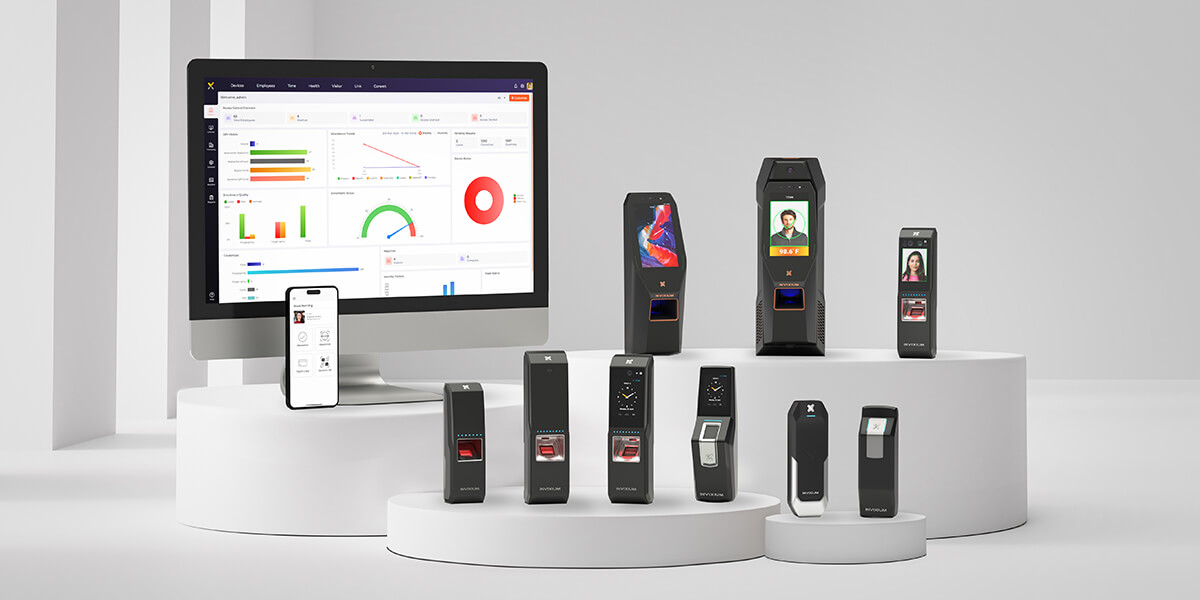
Our flagship model IXM TITAN shines as a testament to innovation and encompasses features like fast face recognition, rugged construction, multiple connectivity options including cellular, large user capacity, RFID and mobile credentials, and integrations with third-party systems for video surveillance and HRMS applications making it an ideal choice for these industries. To augment this, our companion software, IXM WEB provides a powerful security and business operations package that features visitor and employee enrollment, a live feed to all device cameras, and intuitive dashboards to facilitate decision-making.

Read our case studies at IOCL, Mara Technologies, PPG, and more!

Categories
Company

Highlights from the LenelS2 LATAM VAR Summit

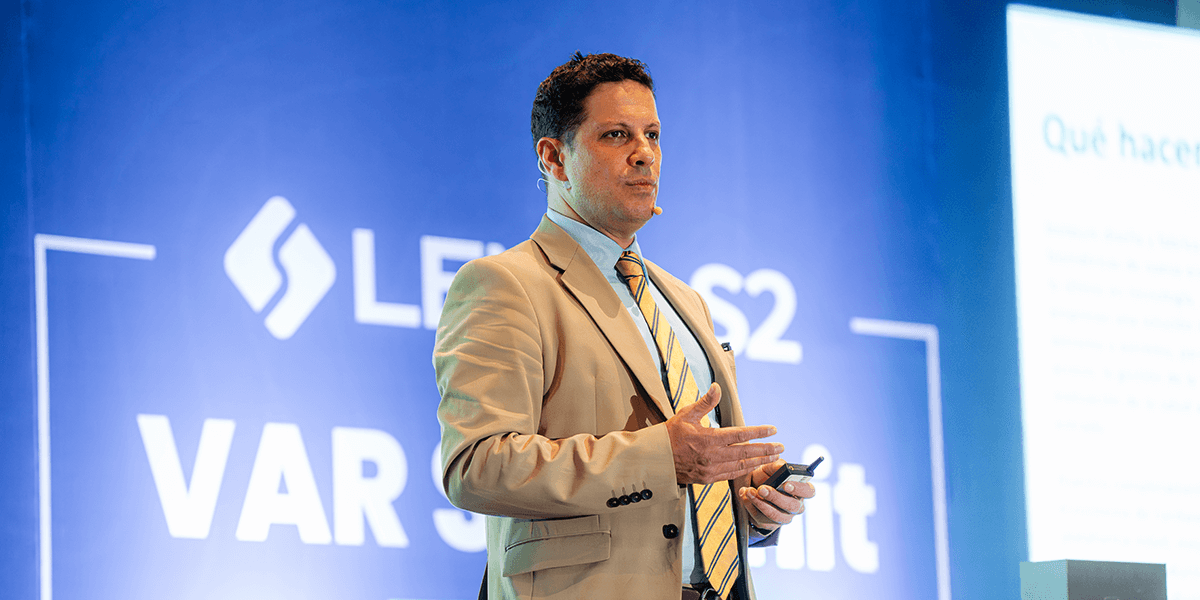
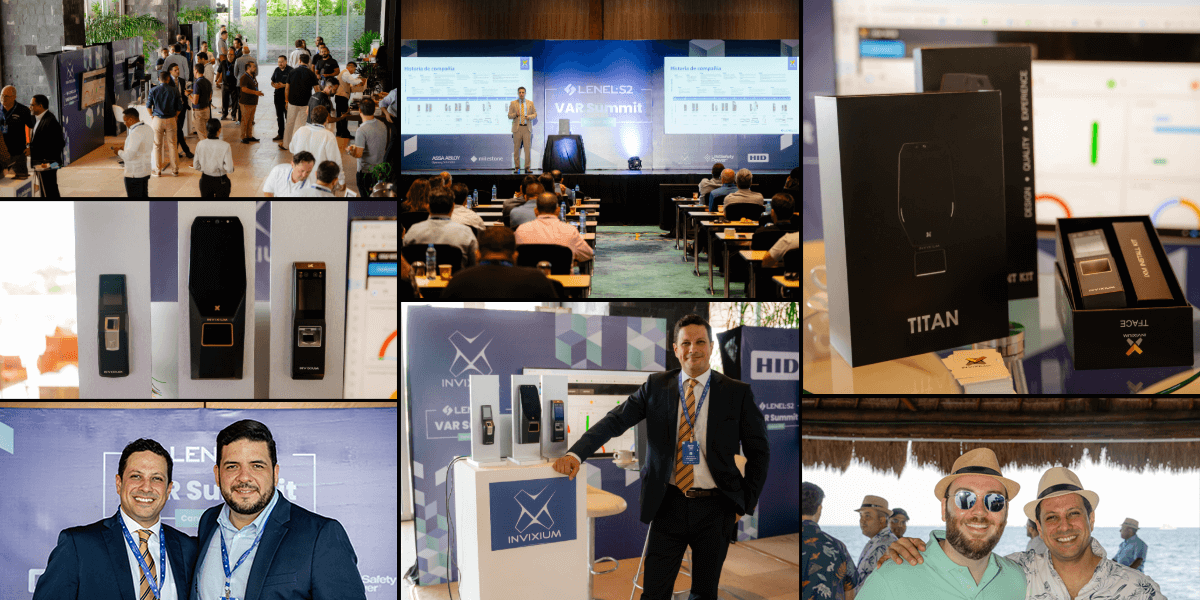
The recent LenelS2 LATAM VAR Summit held on March 5-6, 2024 at the Dreams Vista Cancun Golf & Spa Resort, Mexico brought together technology partners, Value-Added Resellers (VARs), and several end users to discuss the trends and technologies in the physical security industry with a focus on the future of access control. As the only biometric manufacturer exhibiting at this exclusive event, Invixium was proud to showcase its deep integration with LenelS2’s OnGuard and NetBox systems. This integration underscores Invixium’s commitment to collaborative innovation, stemming from a longstanding partnership with LenelS2 across the US, Middle East, and LATAM regions.

Synopsis of the Summit

synopsis-of-the-LenelS2-var-summit

The keynote was delivered by Lee Odess where he delved deep into the emerging trends impacting the global access control and smart lock industry. His insightful address provided a comprehensive understanding of the challenges and opportunities faced by businesses today, sparking meaningful discussions to address the evolving needs of the customers.

Some key takeaways from the summit underscored the strong partnership between LenelS2 and their LATAM VARs, aimed at enhancing customer outcomes. Presentations were delivered by LenelS2 Management including, Kumar Sokka, Global President and General Manager and Ryan Kaltenbaugh, SVP Americas to deliver LenelS2’s fresh perspective on business. They emphasized the company’s commitment to operate as a unified entity where different regions function as an integrated business. This approach not only set the tone for the entire summit but also reflects LenelS2’s future direction.

Another significant insight from the event was the emergence of cloud technology as the next frontier in security, signaling a paradigm shift in the approach to security infrastructure. LenelS2 Elements is an intuitive and unified cloud-based access control and video solution. This system is effective and provides scalable security for small-to-medium sized businesses and enterprises with remote sites.

The networking opportunities with a range of presentations highlighting product updates, industry perspectives, and thought leadership were another facet of the summit. By bringing together industry leaders and showcasing cutting-edge technologies, the event underscored the transformative potential of collaboration in shaping the future of security.

Throughout the summit, Invixium products received compliments and garnered positive feedback from attendees. Particularly noteworthy was the presentation by our Director of Sales for LATAM, Javier Fiatt, on Invixium’s top-tier biometric solutions and customizations, demonstrating the company’s commitment to meeting the unique security needs of every customer.

LenelS2-netbox-project-of-the-year-award

The Awards Ceremony

The highlight of the event was during the awards ceremony where ClickTeck, a System Integrator from Dominican Republic, received the LenelS2 Netbox Project of the Year Award for their outstanding work at Claro RD, Dominican Republic. ClickTeck addressed Claro’s specific security requirements with LenelS2’s Netbox software and Invixium’s rugged and touchless biometric access control solutions that truly set a benchmark in protecting workplace security.

Our participation in this exclusive event strengthens our alliance and celebrates the shared achievements of Invixium and LenelS2.

For information about our cutting-edge biometric solutions for access control, workforce, and visitor management, contact our team today.

sales@invixium.com

Categories
Company

Looking Ahead at 2024: The Landscape of the Physical Access Control Industry

Looking Ahead at 2024: The Landscape of the Physical Access Control Industry

A security-first approach is not merely an option but a necessity for organizations aiming to safeguard their assets, people, and surroundings. As per the Verizon “2023 Data Breach Investigations Report”, “74% of all breaches include the human element, with people being involved either via privilege misuse, use of stolen credentials, social engineering, or human error” – underscoring the crucial role of user identities in security vulnerabilities.

In response to this, investing in robust physical access control solutions becomes imperative. As per the Mordor Intelligence report, “the access control market is experiencing significant growth, with a valuation of USD 8.64 billion in the previous year, and it is projected to reach USD 13.43 billion over the forecast period of 2024-2029.” According to the report, the increasing availability of biometric equipment drives this growth. As organizations recognize the need for advanced security measures, the demand for cutting-edge access control technologies, particularly those integrating biometrics, continues to rise.

Let’s explore the key trends to watch out for in the physical access control industry in 2024:

Investing in the First Line of Defense

As per Genetec’s State of Physical Security 2024 report, Access Control emerges as the top technology earmarked for investment by end users in the year 2024.

This critical emphasis on access control highlights its pivotal role in safeguarding physical security. As organizations today grapple with growing security pains, investing in access control reflects a proactive approach to fortifying the overall security framework. Access control solutions provide a detailed record of who entered the facility, stayed for how long, and accessed or attempted to access which areas, thus preventing security breaches. The real-time situational awareness provided by access control solutions helps enhance the overall security of the organization.

Touchless Solutions Will Rule

Touchless access control and time tracking solutions such as face recognition, iris scanning, and QR codes have rapidly increased in popularity due to the pandemic because businesses of all types and sizes are looking for ways to reduce the spread of illness at work. Amongst these, face recognition is the fastest-growing technology.

As per the Biometrics Institute Survey report, Face Recognition (at 45%) remained the biometric modality most likely to see an increase in use over the next few years. Enhanced accuracy, speed, and adaptability are expected, making face recognition an integral part of various sectors. From securing sensitive areas to controlling the movement of visitors, the versatility of face recognition is poised to redefine the standards of identity verification.

Integration with Other Systems

Organizations today are increasingly prioritizing solutions that integrate seamlessly with existing systems, like identity management systems, visitor management systems, or surveillance solutions. Businesses today demand comprehensive solutions that operate seamlessly with their entire security environment.

As per Genetec’s State of Physical Security 2024 report, Video Surveillance closely follows access control securing the third position as the foremost technology for investment by end users in 2024. Integration with a dedicated video surveillance software provider brings several benefits to businesses that rely on both video and access control solutions for their security operations. Such integrations allow video recording or video surveillance to be initiated when a designated event occurs on access control devices. This integration allows security personnel to monitor and authenticate individuals, providing a robust defense against unauthorized access.

Enhanced Mobile Experiences

According to the Grand View Research report, the global Mobile Identity Management (MIM) market size was evaluated at USD 2.60 billion in 2022 and is expected to grow at a CAGR of 26.6% from 2023 to 2030. As per the report – “Mobile identity management increasingly uses biometric authentication techniques, including iris scanning, facial recognition, and fingerprint recognition. These techniques replace conventional passwords or PINs with simple and safe ways to authenticate users on mobile devices.”

With the widespread penetration of smartphones globally, mobile credentials are fast becoming a popular means for authentication and access control. Mobile credentials offer a more secure alternative to traditional methods like fobs and keys. This simplicity not only enhances user satisfaction but also reduces the likelihood of security breaches resulting from forgotten passwords or lost physical cards.

The Rise of Multimodal Biometrics

Closely followed by Face Recognition, multimodal capabilities are also on the rise as per the Biometrics Institute Survey report.

The future of biometrics is not limited to a single identifier. Multimodal biometrics, a combination of various biometric factors such as face, finger vein, fingerprint, iris, and voice recognition is gaining prominence. This approach not only enhances security but also offers a more seamless and user-friendly experience. Multiple biometric modalities create robust authentication systems that can be used by diverse industries.

Biometrics is poised to play a significant role in the physical access control industry, coexisting synergistically with traditional solutions to create robust security environments.

For information about our cutting-edge biometric solutions for access control, workforce, and visitor management, contact our team today.

sales@invixium.com

Categories
Company

Thought Leadership Pavilion at Intersec Dubai 2024

Thought Leadership Pavilion at Intersec Dubai 2024

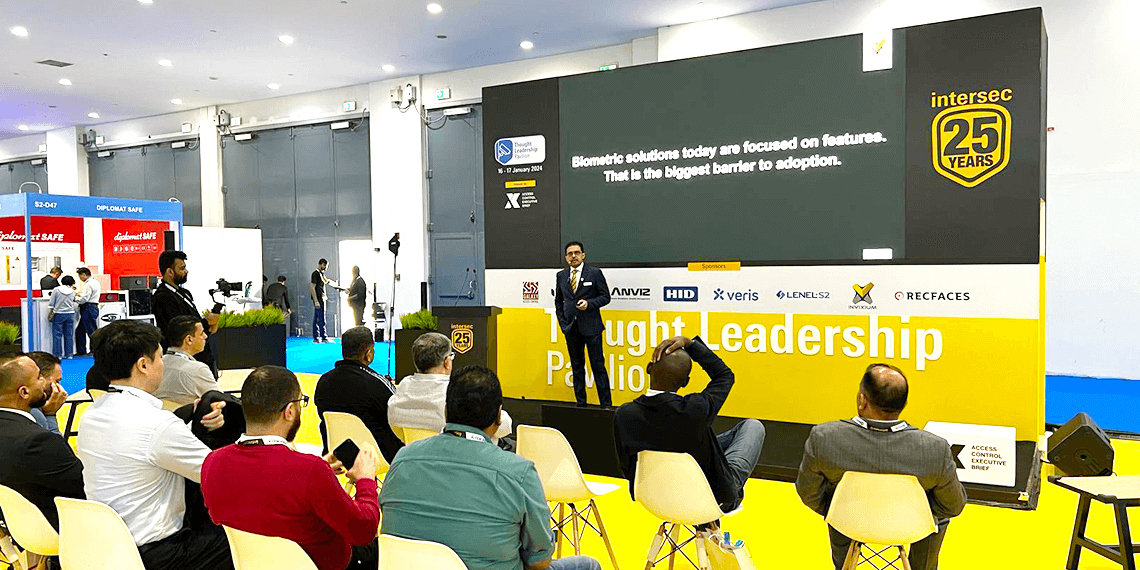
Invixium, the go-to brand for exquisitely designed, high-quality, robust solutions for access control, workforce management, and visitor management, recently exhibited at the Intersec Dubai tradeshow and conference. This year, our CEO & President, Shiraz Kapadia, a seasoned veteran with over 20 years of experience in biometrics, took the stage at the Thought Leadership Pavilion hosted by the influential Lee Odess, CEO, Access Control Executive Brief. Shiraz delivered compelling presentations on “The Role of Biometrics in the Future of Access Control” and “Digitalization of Workforce Management Using Biometrics.” These presentations delved beneath the surface, sparking insightful and crucial discussions that address the evolving needs of the hour.

The Future of Biometrics in Access Control

Watch the video to learn more about the biometrics industry at large, the future of biometrics in access control, barriers to adoption, and more.

Digitalization of Workforce Management Using Biometrics

Watch the video to learn more about how biometrics play a crucial role in digitalizing workforce management by replacing antiquated methods.

Categories
Company

We’re Just a Call Away: Connect with Invixium Effortlessly

At Invixium, we believe that doing business with us should be easy and convenient. Keeping in line with our customer-centric approach, and to make it easier for you to reach us, we’re thrilled to introduce our new toll-free numbers for India, UAE, and Saudi Arabia, in addition to our existing toll-free number for North America. We understand the value of seamless communication and the importance of providing top-notch support to our customers.

Global Support Across Key Regions

Our dedicated tech team is here to assist you with your technical queries, provide support, or simply engage in a conversation about our cutting-edge biometric access control or workforce management solutions. With a burgeoning workforce and security demands, India, UAE, and Saudi Arabia are key regions for us. These regions have witnessed substantial economic growth and are home to our expanding customer base.

Interact with Us Conveniently

Reach out to us on these toll-free numbers from 12 AM to 5 PM EST, Monday to Friday. We are committed to ensuring that your experience with our products and services remains nothing short of exceptional.

For India, dial: 000 800 050 3866

For UAE, dial: 800 032 1235

For Saudi Arabia, dial: 800 850 0763

For US & Canada, dial: +1 844 468 4948

For all other countries, dial: +1 844 468 4948

We look forward to providing you with hassle-free support. Contact us today!

Terms & conditions: When contacting Invixium via telephone, your calls to Invixium’s specified toll-free numbers in US/Canada, India, United Arab Emirates, and Saudi Arabia will be free of cost when made within the region. For other countries, long distance, and other applicable charges (including roaming) may apply and are not covered by Invixium. Any charges for requested inbound calls are not covered by Invixium.